




Varicose Veins: Understanding the Causes, Symptoms and Treatment Options
Varicose veins are enlarged, twisted veins that commonly appear on the legs. They may look blue, purple or swollen and can sometimes cause leg pain, heaviness, swelling, burning sensations or muscle cramps.
For some people, varicose veins are mainly a cosmetic concern, while others may experience persistent discomfort that affects walking, standing, working or daily activities.
Understanding the causes and symptoms of varicose veins can help you seek appropriate medical advice at the right time.
What Are Varicose Veins?
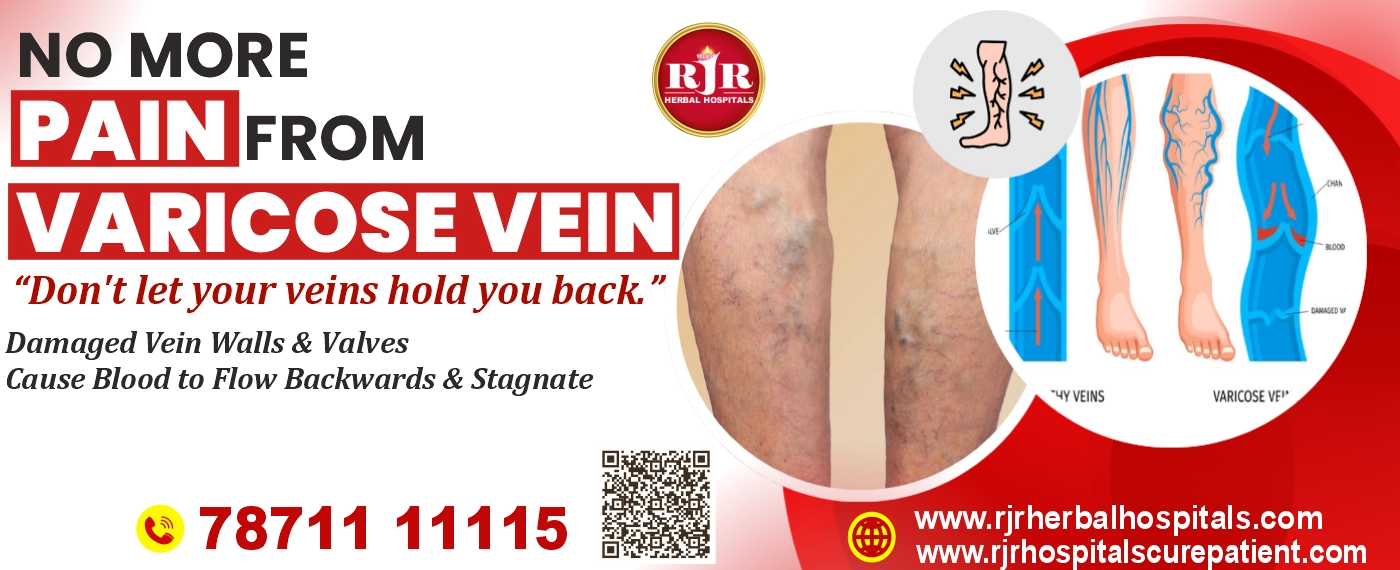
Veins carry blood back toward the heart. Small valves inside the veins normally help prevent blood from flowing backward.
When these valves or the vein walls become weakened or damaged, blood can collect in the veins. This can cause the veins to become enlarged and twisted, resulting in varicose veins.
They most commonly occur in the legs because the veins have to work against gravity to return blood to the heart.
Common Symptoms of Varicose Veins
The appearance of enlarged or twisted veins is one of the most noticeable signs. Other symptoms may include:
- Visible blue or purple veins
- Swelling in the legs or ankles
- Aching or throbbing leg pain
- A feeling of heaviness in the legs
- Burning or aching sensations
- Muscle cramps
- Itching around affected veins
- Discomfort after standing for long periods
- Tired or restless legs
Symptoms can become more noticeable after prolonged standing or sitting.
What Causes Varicose Veins?
Several factors can contribute to the development of varicose veins, including:
1. Weak Vein Valves
If the valves inside the veins do not function properly, blood may flow backward and collect in the veins.
2. Prolonged Standing
People who spend many hours standing at work may experience increased pressure on the veins in their legs.
3. Prolonged Sitting
Sitting for long periods with limited movement may also affect healthy blood circulation.
4. Family History
Having close family members with varicose veins may increase the likelihood of developing them.
5. Increasing Age
Vein valves can become weaker as people get older.
6. Pregnancy
Hormonal changes and increased pressure on the veins during pregnancy can contribute to varicose veins.
7. Excess Body Weight
Additional body weight can increase pressure on the veins in the legs.
Who Is More Likely to Develop Varicose Veins?
Varicose veins can affect adults of different ages. Risk may increase with:
- Increasing age
- Family history of varicose veins
- Pregnancy
- Long periods of standing
- Long periods of sitting
- Limited physical activity
- Excess body weight
How Can You Support Healthy Leg Circulation?
Lifestyle measures may help manage symptoms and support overall leg health.
Stay Physically Active
Regular walking and appropriate physical activity can help support circulation.
Avoid Staying in One Position for Too Long
If your work involves prolonged sitting or standing, take regular movement breaks when possible.
Elevate Your Legs
Raising your legs for short periods may help reduce swelling and discomfort for some people.
Maintain a Healthy Weight
Maintaining a healthy weight can reduce unnecessary pressure on the legs.
Discuss Compression Options With a Healthcare Professional
Compression stockings may be recommended for some people with venous problems. A healthcare professional can advise whether they are appropriate and which type is suitable.
Varicose Veins Treatment
Treatment depends on the severity of the condition, symptoms and individual health needs.
A healthcare professional may recommend lifestyle measures, compression therapy, procedures or other treatments depending on the underlying vein problem.
For people interested in Ayurvedic or Siddha approaches, it is important to consult a qualified practitioner and discuss the treatment with your regular healthcare professional, particularly if symptoms are significant or worsening.
Do not stop prescribed treatment or delay medical evaluation solely because you are considering herbal or traditional care.
When Should You Seek Medical Attention?
Do not ignore sudden or severe symptoms.
Seek prompt medical evaluation if you develop:
- Sudden swelling in one leg
- Severe or rapidly worsening leg pain
- Significant redness or warmth
- Skin ulcers around the ankle or leg
- Bleeding from a varicose vein
- Sudden shortness of breath or chest pain
Sudden leg swelling with breathing difficulty or chest pain can be an emergency and requires immediate medical attention.
Frequently Asked Questions
1. What are varicose veins?
Varicose veins are enlarged and twisted veins, most commonly found in the legs. They occur when blood collects in veins because the normal flow back toward the heart is affected.
2. What are the common symptoms of varicose veins?
Common symptoms include visible twisted veins, leg swelling, heaviness, aching, burning sensations, itching and muscle cramps.
3. Can standing for long hours cause varicose veins?
Long periods of standing can increase pressure on the veins and may contribute to or worsen symptoms, particularly in people who are already at risk.
4. Can varicose veins cause leg pain?
Yes. Some people with varicose veins experience aching, heaviness, throbbing, burning or discomfort in the affected leg.
5. Can varicose veins go away on their own?
Established varicose veins generally do not simply disappear on their own. However, symptoms can sometimes be managed with appropriate lifestyle measures and medical treatment.
6. Are varicose veins dangerous?
Many varicose veins are not dangerous, but complications can occur in some people. Persistent, worsening or unusual symptoms should be evaluated by a healthcare professional.
7. Can exercise help with varicose vein symptoms?
Appropriate physical activity, particularly regular walking, can support circulation and may help manage symptoms. People with significant symptoms should discuss suitable exercise with a healthcare professional.
8. Is treatment available for varicose veins?
Yes. Treatment options depend on the individual’s condition and may include lifestyle measures, compression therapy, minimally invasive procedures or other medical approaches.
9. Can Ayurveda or Siddha be used for varicose veins?
Some people explore traditional systems such as Ayurveda or Siddha for supportive care. Treatment should be discussed with a qualified practitioner and should not replace necessary medical evaluation or evidence-based treatment.
10. When should I see a doctor for varicose veins?
See a healthcare professional if you have persistent pain, swelling, skin changes, ulcers, bleeding, or symptoms that are getting worse.
Conclusion
Varicose veins can cause visible twisted veins, leg pain, swelling, heaviness and discomfort, especially after prolonged standing or sitting. Understanding the symptoms and risk factors can help you take appropriate steps toward better leg health.
If you are experiencing persistent or worsening symptoms, seek professional medical evaluation to understand the underlying cause and suitable treatment options.
RJR Herbal Hospital provides traditional Siddha and Ayurvedic care with personalized guidance for individuals seeking support for varicose-vein concerns. Consult a qualified healthcare professional to determine the most appropriate approach for your condition.
 Call Now