





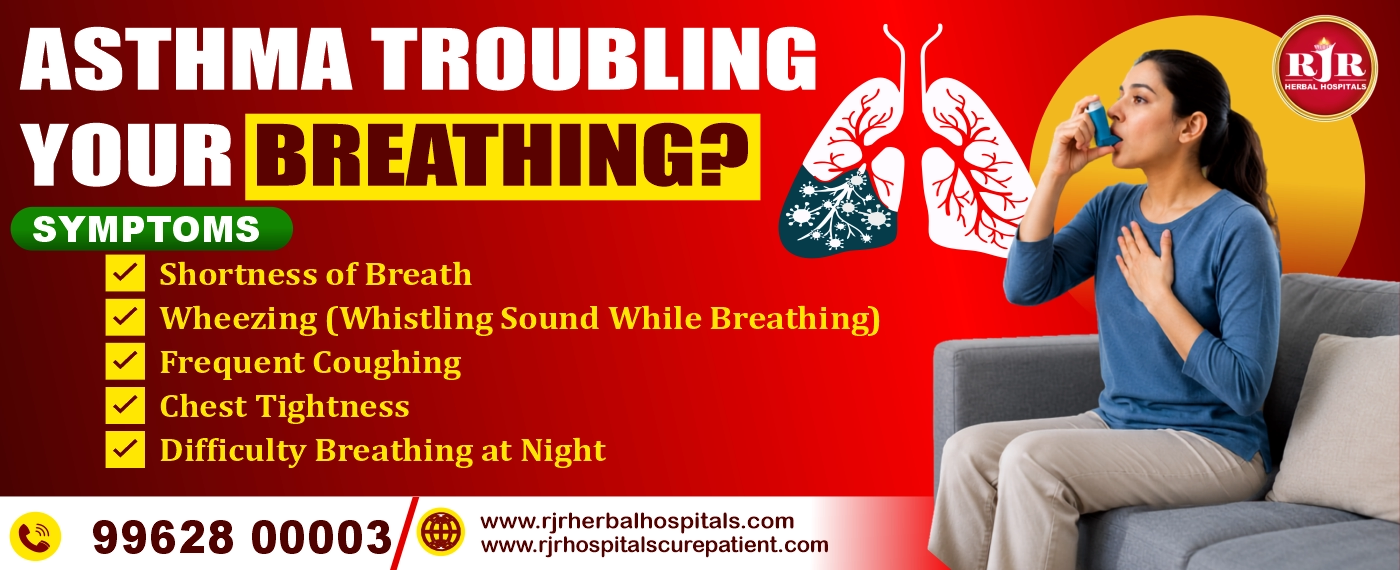
Signs and Symptoms of Asthma
Asthma is a long-term respiratory condition that affects the airways and can make breathing difficult. Symptoms may appear occasionally or become more frequent depending on the person’s condition and exposure to triggers.
The most common signs and symptoms of asthma include wheezing, coughing, shortness of breath and chest tightness. Some people may experience symptoms at night, during exercise, or after exposure to dust, smoke, pollen and other triggers.
Recognizing asthma symptoms early can help people seek appropriate medical evaluation and develop an effective management plan.
Common Asthma Symptoms
1. Wheezing
Wheezing is a high-pitched or whistling sound that can occur while breathing. It may become more noticeable during an asthma flare-up.
Wheezing can have several possible causes, so persistent or unexplained wheezing should be evaluated by a healthcare professional.
2. Shortness of Breath
People with asthma may feel that they cannot breathe comfortably or get enough air. Breathing difficulty can occur during physical activity, at night or during an asthma episode.
3. Frequent Coughing
A persistent cough can be associated with asthma. Some people experience more coughing during the night or early morning.
4. Chest Tightness
Asthma may cause a sensation of pressure or tightness in the chest. This can sometimes be described as difficulty getting a full breath.
5. Asthma Chest Pain
Some people with asthma may describe chest discomfort or tightness as asthma chest pain. However, chest pain should not automatically be assumed to be caused by asthma.
New, severe, persistent or unexplained chest pain requires prompt medical assessment, especially when accompanied by severe breathing difficulty, sweating, dizziness or pain spreading to the arm, jaw or back.
What Causes Asthma Symptoms?
Asthma symptoms can be triggered or worsened by different factors. Common triggers include:
- Dust and dust mites
- Pollen
- Smoke
- Air pollution
- Strong perfumes and chemical odors
- Cold air
- Respiratory infections
- Pet allergens
- Exercise
- Workplace irritants
- Stress and strong emotions
Triggers can vary from person to person. Identifying personal triggers is an important part of asthma management.
What Is Chronic Asthma?
Chronic asthma refers to asthma that persists over a long period and requires ongoing management.
Asthma severity can vary considerably between individuals. Some people have occasional symptoms, while others experience frequent symptoms that require regular treatment.
A healthcare professional can assess symptoms, lung function and other factors to determine the appropriate treatment and monitoring approach.
What Is Severe Asthma?
Severe asthma is a form of asthma that remains difficult to control despite appropriate treatment.
People with severe asthma may experience frequent symptoms or asthma attacks and may require specialist evaluation and advanced treatment options.
If asthma symptoms are becoming more frequent or severe, medical evaluation is important rather than relying only on home remedies.
What Is Eosinophilic Asthma?
Eosinophilic asthma is a type of asthma associated with increased levels of eosinophils, a type of white blood cell involved in inflammation.
It can occur in adults and may be associated with persistent respiratory symptoms, frequent asthma exacerbations or chronic sinus problems.
A healthcare professional may use blood tests and other investigations to help determine whether eosinophilic inflammation is present.
Asthma Pump Inhaler: What Is It?
An asthma pump inhaler is a commonly used term for an inhaler that delivers medication directly into the airways.
Different inhalers have different purposes. Some provide quick relief during symptoms, while others are used regularly to control airway inflammation and reduce the risk of future symptoms.
Important:
Use your inhaler exactly as prescribed by your healthcare professional. The correct inhaler technique is also important because improper technique can reduce the amount of medicine reaching the lungs.
Do not stop a prescribed asthma medicine simply because you are feeling better without discussing it with your healthcare professional.
What Is an Asthma Action Plan?
An asthma action plan is a personalized plan created with a healthcare professional to help manage asthma.
It may explain:
- Your regular asthma medicines
- How and when to use your inhalers
- What to do when symptoms become worse
- How to recognize warning signs
- When to seek urgent medical care
- Emergency contact information
Having a clear asthma action plan can make it easier to respond appropriately when symptoms change.
How Can Asthma Be Managed?
Asthma management may include a combination of medical treatment and lifestyle measures.
Follow Your Prescribed Treatment
Take prescribed medicines according to your healthcare professional’s instructions.
Learn Correct Inhaler Technique
Ask a healthcare professional to demonstrate the correct technique for your particular inhaler.
Identify Your Triggers
Keep track of situations that appear to make symptoms worse.
Reduce Exposure to Irritants
Where possible, minimize exposure to smoke, dust, pollution and strong chemical odors.
Maintain a Healthy Lifestyle
Regular physical activity, adequate sleep and a balanced diet can support overall health. People whose asthma is triggered by exercise should discuss appropriate activity with their healthcare professional.
When Should You Seek Emergency Help?
Asthma can sometimes become severe and require urgent medical attention.
Seek emergency care if you experience severe difficulty breathing, rapidly worsening symptoms, difficulty speaking because of breathlessness, blue or grey lips/skin, confusion, or if your prescribed quick-relief treatment is not providing the expected relief.
Do not delay emergency care in a severe asthma attack.
Frequently Asked Questions About Asthma
1. What are the signs and symptoms of asthma?
Common signs and symptoms include wheezing, coughing, shortness of breath and chest tightness. Symptoms may occur at night, during exercise or after exposure to specific triggers.
2. Is wheezing always a sign of asthma?
No. Wheezing can occur with asthma but may also have other causes. Persistent or recurring wheezing should be evaluated by a healthcare professional.
3. Can asthma cause chest pain?
Asthma can cause chest tightness or discomfort, which some people may describe as asthma chest pain. However, chest pain can have many causes and should not automatically be attributed to asthma.
4. What is an asthma pump inhaler?
An asthma pump inhaler delivers medication into the airways. Different inhalers have different purposes, including quick symptom relief and long-term asthma control.
5. What is chronic asthma?
Chronic asthma is a long-term respiratory condition requiring ongoing monitoring and management. The frequency and severity of symptoms can vary between individuals.
6. What is severe asthma?
Severe asthma is asthma that remains difficult to control despite appropriate treatment. Specialist assessment may be needed to identify additional treatment options.
7. What is eosinophilic asthma?
Eosinophilic asthma is an asthma subtype associated with increased eosinophilic inflammation. Healthcare professionals may use blood tests and other assessments to help identify it.
8. Why is an asthma action plan important?
An asthma action plan provides clear instructions about regular medicines, worsening symptoms and when emergency medical attention may be needed.
9. Can asthma symptoms occur at night?
Yes. Some people experience increased coughing, wheezing, chest tightness or breathing difficulty during the night or early morning.
10. Can asthma be permanently cured?
Asthma is generally considered a long-term condition. However, appropriate treatment and ongoing management can help many people control their symptoms and reduce flare-ups.
Asthma Care at RJR Herbal Hospitals
RJR Herbal Hospitals provides traditional Siddha and Ayurvedic healthcare approaches for various chronic health concerns.
For people experiencing recurring breathing problems, wheezing, coughing or chest tightness, professional evaluation is important to understand the condition and determine appropriate care.
Do not discontinue prescribed asthma medication or inhalers without consulting your healthcare professional.
Conclusion
Asthma can affect breathing, sleep, physical activity and everyday life. Understanding the signs and symptoms of asthma, including wheezing, coughing, shortness of breath and chest tightness, can help people recognize when they need professional evaluation.
Whether you are dealing with chronic asthma, severe asthma, eosinophilic asthma or recurring breathing symptoms, proper assessment and an individualized asthma action plan can help with long-term management.
If you use an asthma pump inhaler, follow the prescribed instructions and learn the correct inhaler technique. And if you experience severe breathing difficulty or concerning chest pain, seek urgent medical care rather than delaying treatment.
Take your breathing symptoms seriously and speak with a qualified healthcare professional for personalized guidance and asthma care.

 Call Now