





Understanding Fibroids: Symptoms, Causes, and Ayurvedic Treatment
Uterine fibroids are non-cancerous growths that develop in or around the uterus. They are common among women of reproductive age and can vary in size and number. While some women may not experience symptoms, others may face discomfort that affects their daily lives.
Early diagnosis and proper treatment can help manage symptoms effectively and improve overall reproductive health.
What Are Fibroids?
Fibroids, also known as uterine leiomyomas, are growths made up of muscle and connective tissue that develop within the uterus. They are generally benign but may lead to symptoms depending on their size and location.
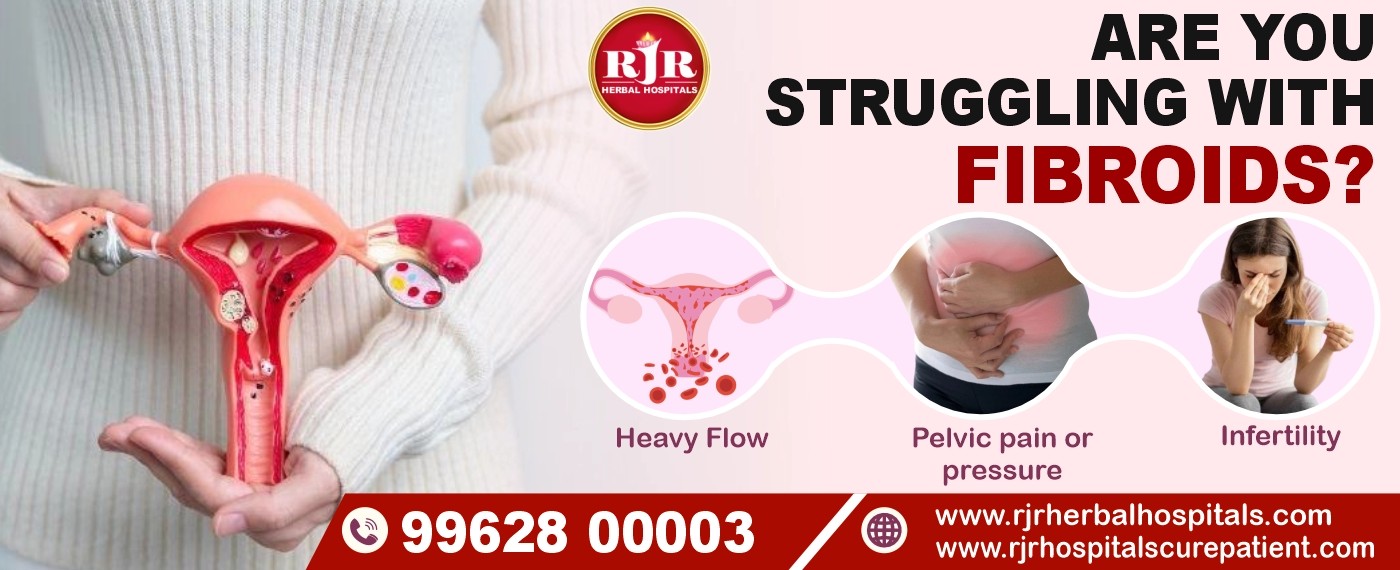
Common Symptoms of Fibroids
Women with fibroids may experience:
- Heavy or prolonged menstrual bleeding
- Pelvic pain or pressure
- Frequent urination
- Lower back pain
- Pain during menstruation
- Abdominal bloating
- Difficulty conceiving in some cases
- Fatigue due to excessive blood loss
What Causes Fibroids?
The exact cause of fibroids is not fully understood, but several factors may contribute:
Hormonal Changes
Estrogen and progesterone may influence fibroid growth.
Genetic Factors
A family history of fibroids may increase the risk.
Obesity
Excess body weight can affect hormone levels and increase risk.
Lifestyle Factors
Poor diet, stress, and lack of physical activity may contribute to hormonal imbalance.
Can Fibroids Affect Fertility?
In some women, fibroids may interfere with fertility depending on their size and location. Large fibroids can sometimes affect implantation or cause complications during pregnancy. However, many women with fibroids successfully conceive and have healthy pregnancies.
Ayurvedic Approach to Fibroids Management
Ayurveda focuses on supporting hormonal balance and overall reproductive wellness through a holistic approach.
Ayurvedic Management May Include:
- Personalized herbal support
- Dietary modifications
- Lifestyle improvements
- Stress management techniques
- Yoga and wellness practices
- Detoxification therapies when appropriate
Lifestyle Tips for Women with Fibroids
Eat a Balanced Diet
Include fresh fruits, vegetables, whole grains, and iron-rich foods.
Maintain a Healthy Weight
Weight management may help support hormonal balance.
Stay Active
Regular exercise improves circulation and overall well-being.
Manage Stress
Meditation, yoga, and relaxation techniques can support hormonal health.
Schedule Regular Checkups
Routine monitoring helps track fibroid growth and symptoms.
Benefits of Early Fibroid Management
- Better menstrual health
- Reduced pelvic discomfort
- Improved quality of life
- Enhanced reproductive wellness
- Better overall hormonal balance
Frequently Asked Questions (FAQ)
1. What are the first signs of fibroids?
Heavy periods, pelvic pressure, abdominal bloating, and frequent urination are among the most common early symptoms.
2. Are fibroids cancerous?
Most uterine fibroids are non-cancerous and do not increase the risk of uterine cancer.
3. Can fibroids go away naturally?
Some fibroids may shrink after menopause due to hormonal changes, but medical evaluation is important.
4. Can fibroids cause infertility?
Certain fibroids may affect fertility depending on their location and size, though many women with fibroids conceive successfully.
5. How does Ayurveda help with fibroids?
Ayurveda focuses on supporting hormonal balance, reproductive health, and overall wellness through natural and holistic methods.
6. When should I consult a doctor for fibroids?
Seek medical advice if you experience heavy bleeding, severe pelvic pain, fertility concerns, or symptoms affecting daily life.
Conclusion
Fibroids are a common women’s health condition that can cause symptoms such as heavy menstrual bleeding, pelvic pain, pressure, and fertility-related concerns. Understanding the symptoms early and adopting appropriate treatment and lifestyle changes can help improve quality of life.
A holistic approach that combines proper medical evaluation, healthy lifestyle habits, and supportive wellness practices can play an important role in managing fibroid symptoms and maintaining reproductive health.

 Call Now