





Varicose Veins Treatment Without Surgery: Symptoms, Causes & Natural Relief
Introduction
Varicose veins are enlarged, twisted veins that commonly appear on the legs due to weakened vein walls or damaged valves. They can cause discomfort, swelling, heaviness, and aching, making daily activities difficult. Although often considered a cosmetic concern, untreated varicose veins may lead to complications over time.
Early diagnosis and proper treatment can help reduce symptoms, improve blood circulation, and enhance overall leg health. Many people can successfully manage varicose veins with non-surgical treatments, healthy lifestyle changes, and natural therapies.
What Are Varicose Veins?
Varicose veins develop when the valves inside the veins become weak or damaged, allowing blood to collect in the veins instead of flowing smoothly back to the heart. This causes the veins to enlarge, twist, and become visible beneath the skin.
They most commonly affect the legs because standing and walking increase pressure on the lower body veins.
Common Symptoms of Varicose Veins
You may experience:
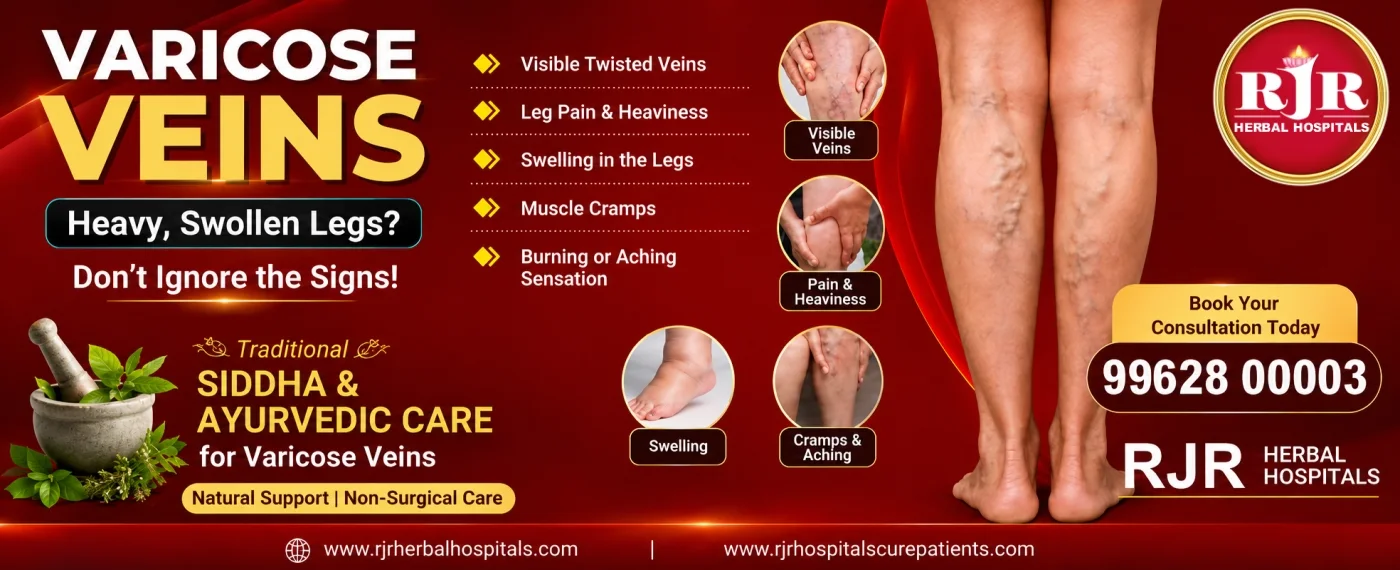
- Visible twisted or bulging veins
- Leg pain and heaviness
- Swelling in the legs or ankles
- Muscle cramps, especially at night
- Burning or aching sensation
- Itching around the affected veins
- Tired or restless legs
- Skin discoloration around the veins
Causes of Varicose Veins
Several factors increase the risk of developing varicose veins, including:
Aging
Veins naturally lose elasticity with age.
Standing for Long Hours
Jobs that require prolonged standing increase pressure on leg veins.
Obesity
Excess body weight places additional stress on the veins.
Pregnancy
Hormonal changes and increased blood volume can contribute to varicose veins.
Family History
A genetic tendency increases the likelihood of developing vein problems.
Lack of Physical Activity
Poor circulation due to inactivity can worsen vein health.
Benefits of Early Treatment
Seeking treatment early can help:
- Reduce leg pain and heaviness
- Improve blood circulation
- Minimize swelling
- Prevent worsening of varicose veins
- Improve mobility and comfort
- Enhance overall quality of life
Non-Surgical Treatment Options
Many people can manage varicose veins without surgery through a combination of medical advice and healthy lifestyle practices.
Treatment options may include:
- Compression stockings
- Regular walking and low-impact exercise
- Leg elevation
- Weight management
- Healthy diet rich in fiber
- Staying hydrated
- Siddha and Ayurvedic supportive therapies
- Personalized treatment plans based on the severity of symptoms
Lifestyle Tips to Prevent Varicose Veins
Stay Active
Walking and regular exercise improve blood circulation.
Avoid Standing or Sitting Too Long
Take short breaks and move around regularly.
Elevate Your Legs
Raise your legs above heart level for a few minutes each day.
Maintain a Healthy Weight
Reducing excess weight decreases pressure on leg veins.
Wear Comfortable Clothing
Avoid tight clothing that restricts circulation.
When Should You Consult a Doctor?
Consult a healthcare professional if you notice:
- Severe leg pain
- Significant swelling
- Skin ulcers near the ankles
- Bleeding from varicose veins
- Sudden redness or warmth in the leg
- Persistent discomfort affecting daily activities
Frequently Asked Questions (FAQ)
1. What are varicose veins?
Varicose veins are enlarged, twisted veins caused by weakened vein valves and poor blood circulation.
2. What are the common symptoms of varicose veins?
Symptoms include visible veins, leg pain, swelling, muscle cramps, heaviness, burning sensation, and aching legs.
3. Can varicose veins be treated without surgery?
Yes. Many people benefit from non-surgical treatments, compression therapy, exercise, lifestyle changes, and supportive natural therapies.
4. Who is at risk of developing varicose veins?
People who stand for long hours, are overweight, pregnant, older adults, or have a family history are at higher risk.
5. Can exercise help varicose veins?
Yes. Regular walking, cycling, and stretching improve circulation and may reduce symptoms.
6. How can I prevent varicose veins?
Maintain a healthy weight, exercise regularly, avoid prolonged standing or sitting, elevate your legs, and follow a healthy lifestyle.
7. Are varicose veins dangerous?
Most cases are manageable, but untreated varicose veins can lead to complications. Seek medical advice if symptoms worsen.
8. When should I seek medical care?
If you experience severe pain, swelling, bleeding, skin changes, or ulcers, consult a healthcare professional promptly.
Conclusion
Varicose veins are a common condition that can affect comfort, mobility, and overall quality of life. Recognizing symptoms early and adopting healthy lifestyle habits can help reduce discomfort and improve circulation. Non-surgical treatment options, combined with regular exercise, weight management, and supportive natural therapies, can effectively manage symptoms for many people.
If you notice visible veins, persistent leg pain, swelling, or heaviness, seek professional medical evaluation. Early treatment can help prevent complications and support healthier, more comfortable legs.

 Call Now