





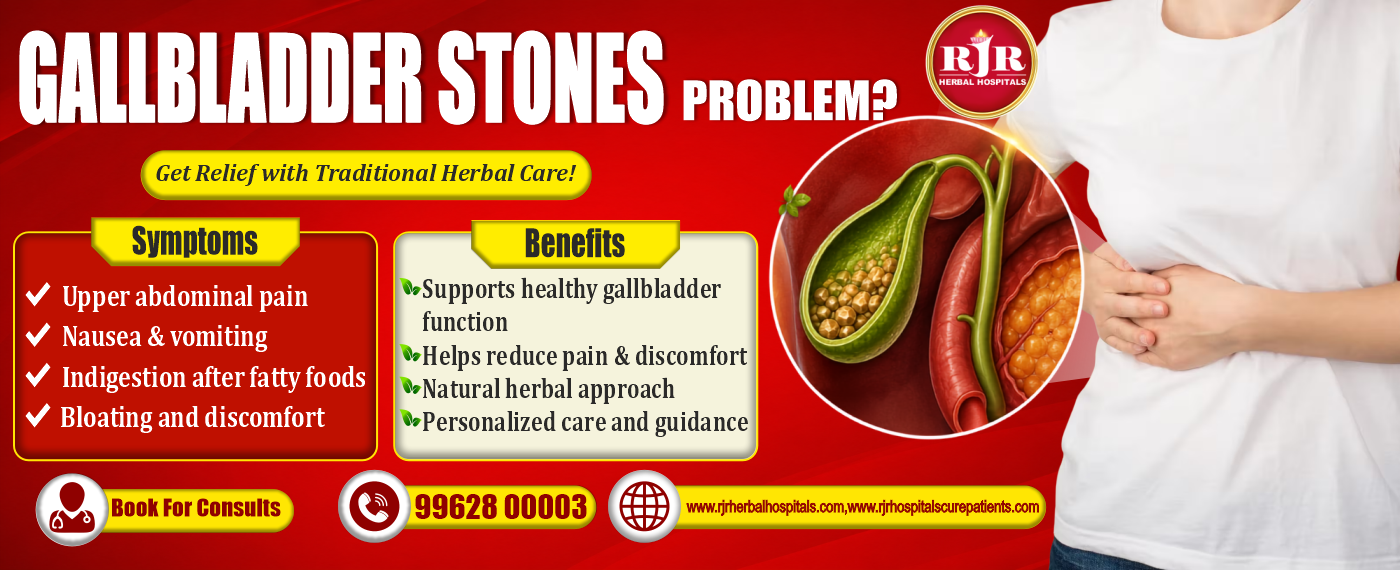
Gallbladder Stones: Symptoms, Causes, and Treatment Options
Gallbladder stones, also known as gallstones, are hardened deposits that form inside the gallbladder. These stones can vary in size and may cause digestive discomfort, abdominal pain, nausea, and other health concerns. Understanding the symptoms and causes of gallstones can help you seek timely treatment and avoid complications.
What Are Gallbladder Stones?
The gallbladder is a small organ located beneath the liver that stores bile, a digestive fluid that helps break down fats. When substances in bile become imbalanced, solid particles can form and develop into gallstones.
Some people may have gallstones without symptoms, while others experience significant discomfort and digestive issues.
Common Symptoms of Gallbladder Stones
Gallbladder stones can cause a variety of symptoms, including:
- Upper abdominal pain, especially after meals
- Nausea and vomiting
- Indigestion after eating fatty foods
- Bloating and abdominal discomfort
- Pain that may spread to the back or right shoulder
- Feeling of fullness after eating small amounts
- Digestive disturbances
If symptoms become severe or persistent, medical attention should be sought immediately.
Causes of Gallbladder Stones
Several factors may increase the risk of gallstone formation:
Excess Cholesterol in Bile
High cholesterol levels can contribute to stone formation.
Poor Diet
Frequent consumption of fatty and processed foods may increase risk.
Obesity
Being overweight is a known risk factor for gallstones.
Rapid Weight Loss
Sudden weight loss can affect bile composition.
Family History
Genetics may play a role in gallstone development.
Age and Hormonal Changes
Risk often increases with age and certain hormonal factors.
Benefits of Early Treatment
Early management of gallbladder stones can help:
- Reduce abdominal pain and discomfort
- Improve digestion
- Prevent complications
- Support healthy gallbladder function
- Enhance overall digestive health
Lifestyle Tips for Gallbladder Health
Follow a Healthy Diet
Choose fresh fruits, vegetables, whole grains, and fiber-rich foods.
Reduce Fatty Foods
Limit fried and high-fat meals that may trigger symptoms.
Stay Hydrated
Adequate water intake supports digestive function.
Maintain a Healthy Weight
Gradual and healthy weight management can reduce risk.
Exercise Regularly
Physical activity supports overall digestive wellness.
Natural Approaches to Gallbladder Wellness
A holistic approach may help support digestive health and gallbladder function through:
- Balanced nutrition
- Herbal wellness support
- Healthy lifestyle habits
- Stress management
- Regular medical monitoring
Always consult a qualified healthcare professional before starting any treatment plan.
Frequently Asked Questions (FAQ)
1. What are the first signs of gallbladder stones?
Common early signs include upper abdominal pain, nausea, bloating, and indigestion after eating fatty foods.
2. Can gallbladder stones cause digestive problems?
Yes. Gallstones can interfere with normal digestion and may lead to bloating, nausea, and discomfort after meals.
3. What foods should be avoided with gallstones?
Fatty, fried, and highly processed foods may worsen symptoms and should be limited.
4. Are gallbladder stones serious?
If left untreated, gallstones can sometimes lead to complications. Persistent symptoms should be evaluated by a healthcare professional.
5. Can lifestyle changes help manage gallbladder stones?
Healthy eating, weight management, hydration, and regular exercise may help support gallbladder health.
6. When should I see a doctor for gallstones?
Consult a doctor if you experience severe abdominal pain, repeated vomiting, fever, or worsening digestive symptoms.
Conclusion
Gallbladder stones are a common digestive condition that can cause abdominal pain, nausea, indigestion, and bloating. Recognizing the symptoms early and adopting healthy lifestyle habits can help improve digestive health and overall well-being.
With proper care, dietary changes, and professional guidance, many people can effectively manage gallbladder-related discomfort and support healthy gallbladder function. Keeping your digestive system healthy is an important step toward a better quality of life.

 Call Now